


Unique Seafront Villa for Sale in Corfu, Astrakeri
1,200,000€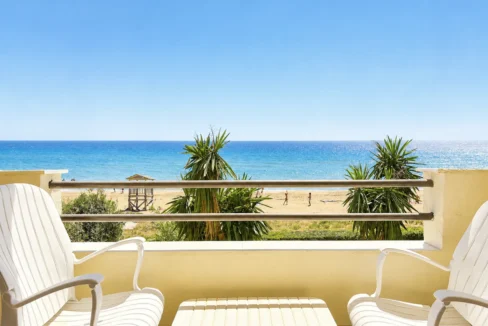
Buy a Beachfront Villa in Corfu
1,200,000€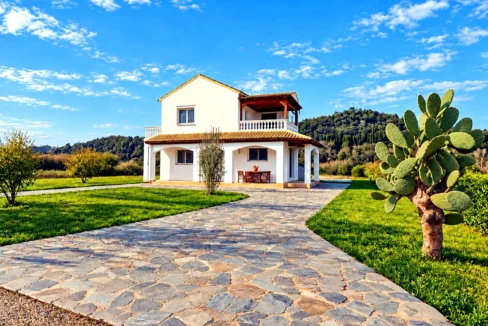
House for sale Corfu, North Corfu
295,000€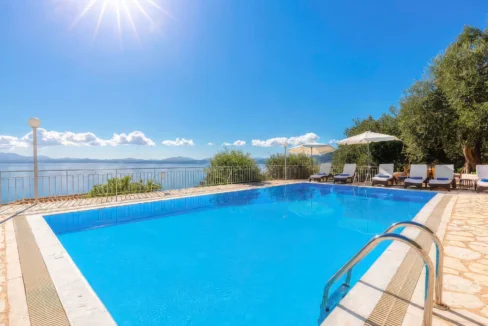
Beautiful Waterfront Villa for Sale in Corfu
740,000€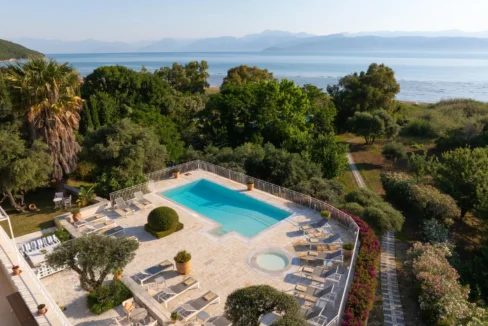
Excellent Villa in Corfu for sale
4,950,000€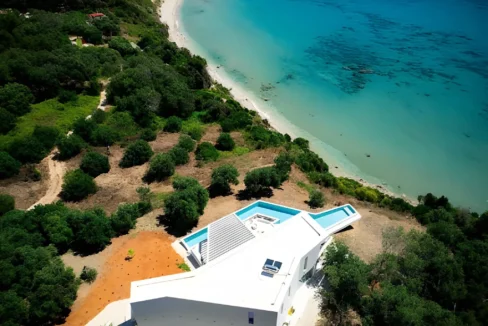
Beachfront Villa in Corfu for sale – Southwest Corfu
3,700,000€
Great Seafront Estate in Corfu Greece
5,775,000€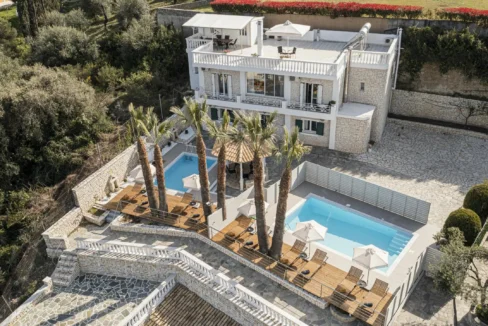
For Sale Panoramic Villa in Corfu | Kontokali, Central Corfu
3,000,000€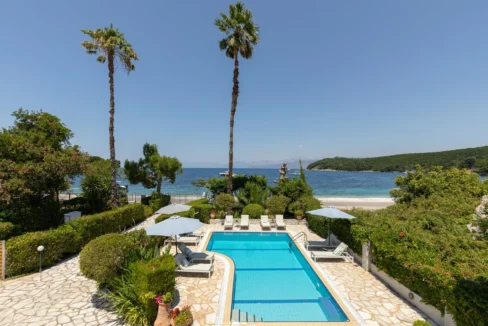
Buy a Seafront Villa in Corfu, Avlaki
3,900,000€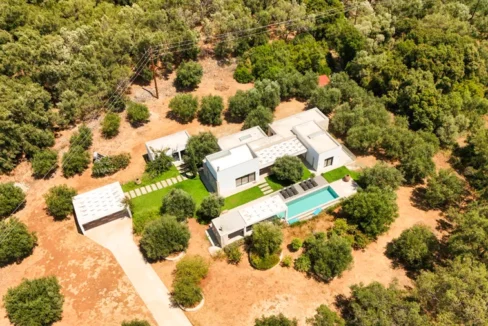
Buy a Villa in Corfu
850,000€
Luxury villa in Corfu for sale | Central Corfu
Reduced to 2,100,000€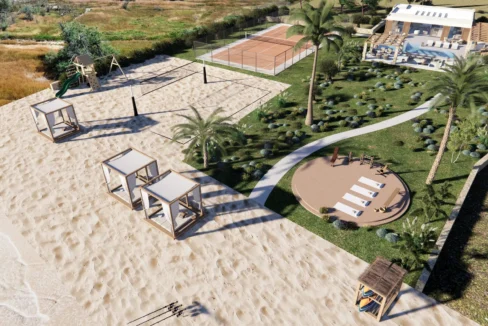
Beautiful Waterfront Villa for Sale in Corfu
2,900,000€
Luxury Sea-View Villa with Pool for Sale Kassiopi Corfu
1,700,000€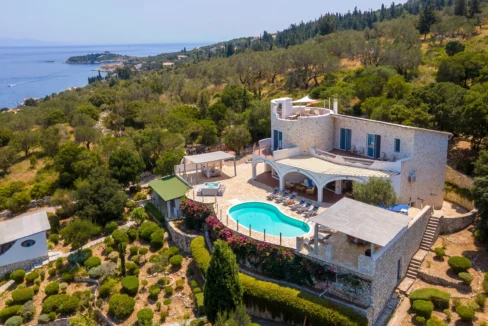
Panoramic Villa in Paxos for sale
Panoramic Villa in Paxos for sale … More Details
1,950,000€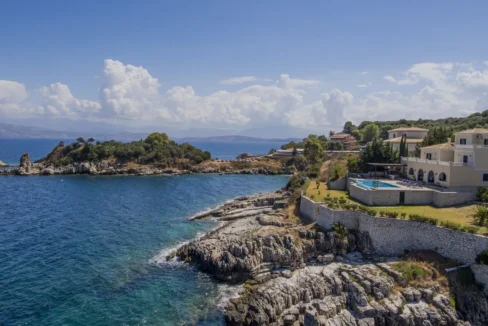
Waterfront Villa for Sale Kassiopi Corfu
4,500,000€
Elegant Villa for Sale near Corfu Town
1,200,000€
Luxury Villa for Sale in Nissaki Corfu, East / North Corfu
Reduced to 3,000,000€
Luxury Villa for Sale in Corfu, Central Corfu
5,250,000€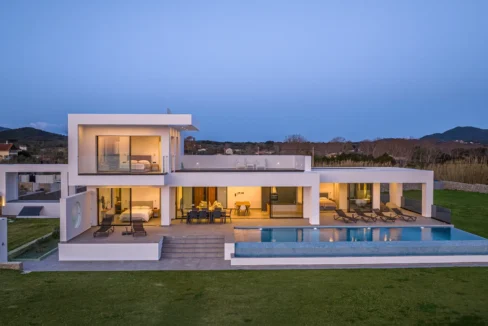 2.900.000€ DONT MISS THIS!
Seafront Villa for sale Corfu Greece, Halikounas
Reduced to 2,380,000€
2 Villas for Sale Corfu Greece, Halikounas
Reduced to 1,100,000€
Luxury Property for sale Paxoi island Greece
6,100,000€
Seafront Villa in Corfu for Sale, Corfu Homes for sale
1,200,000€
Elegant Villa With Seaview In Corfu for sale, Spartilas
Elegant Villa With Seaview In Corfu for sale, Spartilas… More Details
1,400,000€
Luxury Villa for Sale in Corfu, Central Corfu
5,000,000€
Small Villa for sale Corfu
320,000€
Luxurious Villa for sale in North Corfu
4,400,000€
Elegance Villa for Sale in Corfu
5,700,000€
Cliff-Top Smart Villa for Sale in West Corfu – Pentati
2,500,000€

Luxury Villa in Corfu for sale with Private Beach Access
Luxury Villa in Corfu for sale with Private Beach… More Details
4,000,000€
Luxury Sea-View Villa with Infinity Pool for Sale Avlaki Corfu
Reduced to 3,900,000€
Seafront Villa for Sale in Corfu, Greece
1,850,000€
Seafront Property in Corfu, Luxury Villa near the sea
Reduced to 1,650,000€
Luxury Property in Corfu
Reduced to 1,750,000€
A Seafront Masterpiece on Corfu Island
14,000,000€
Breathtaking sea views Villa in Corfu for sale
Reduced to 1,875,000€
Beachfront Villa in Corfu for sale
3,000,000€
Two Luxury Sea-View Villas for Sale across Corfu Ionio, Perdika, Thesprotia
900,000€
Super Luxury Villa in Corfu, Seafront Luxury Villa in Corfu
Reduced to 6,600,000€
Sea View Villa for Sale in Kassiopi Corfu
930,000€
Seafront Villa for Sale in Corfu – 2 Independent houses
Seafront Villa for Sale in Corfu – 2 Independent… More Details
650,000€
Minimal Sea-View Villa for Sale in Corfu, with Pool & Roof Terrace
Reduced to 495,000€
Sea View Villa for Sale in Nisaki Corfu
1,275,000€
Beachfront Property for Sale in Corfu Kassiopi – Northeast Corfu
1,050,000€
Luxury Villa for Sale in Central Corfu with Panoramic Views
1,100,000€
Seaside Hotel for sale Agios Stefanos Corfu
4,000,000€
3 Seafront Villas in Corfu Kassiopi for sale
18,000,000€
Restored 220-Year-Old Mansion For Sale In Peroulades, Corfu
1,500,000€
Seafront Villa for Sale in Avlaki Corfu – Steps from the Beach
2,000,000€
Apartment Complex for Sale in Sivota Ionio – Panoramic Sea View
680,000€
Amazing Villa in Corfu, Barbati
3,500,000€
Newly Built Maisonette for Sale Central Corfu
850,000€
Deluxe Four-Bedroom Villa for sale South Corfu
895,000€
Hilltop Stone Villa for sale North-East Corfu, with Panoramic Sea Views
975,000€
Seafront Villa for Sale in Sivota, across Corfu – Bella Vraka Beach
1,300,000€
Beachfront House for Sale in Corfu, Glyfada
Reduced to 260,000€
Seaview Complex for Sale in Sivota Ionio – across Corfu
1,650,000€
Impressive house for sale Central Corfu, Viros
1,450,000€
Sea-View Villa for Sale in Corfu, Gastouri
1,100,000€
Two Luxury Villas for Sale in Halikounas Corfu
1,950,000€
Unique Villa for Sale in Corfu, Central Corfu
1,600,000€
Luxury Villa for Sale in Kontokali Corfu
1,250,000€
Property for Sale Kassiopi Corfu
1,000,000€
Corfu Stone Villa for sale with Pool & Sunset Views in Arkadades
675,000€
Villa with Pool for Sale in Northeast Corfu
800,000€
Panoramic Sea-View Villa for Sale in Kassiopi Corfu
900,000€
Waterfront villa with marina in Ionio Greece, Seafront Property Sivota near Corfu
1,800,000€
Sea View Villa Nissaki Corfu for sale
1,200,000€
Seafront Villa For Sale North East Corfu
7,200,000€
Sea View Villa for Sale in Corfu
800,000€
Villa for sale Paxoi, Ozias
1,150,000€
Corfu town Villa with deck for your boat for sale
Reduced to 800,000€
Villa For Sale South Corfu ( 3 Houses)
800,000€
Villa for sale North Corfu
Villa for sale North Corfu Villa for sale North… More Details
750,000€
Great Villa in Corfu for sale
3,500,000€
Modern Villa in Corfu with Great Sea Views, West Corfu
Reduced to 2,080,000€
2 Bedroom Luxury Villa for Sale in Corfu Greece | Sea View & Private Pool
2,200,000€
Property of 2 Villas with Amazing Sea Views in Corfu
2,850,000€
Villa with Big Land Plot for Sale at Corfu
2,250,000€
Mansion for Sale Corfu
2,347,000€
Luxury Villa for Sale in Corfu
1,950,000€
Small Hotel in Corfu
800,000€
3 Individual Luxury Stone Villas for sale Corfu
2,275,000€
Villa for Sale in Central Corfu, Pelekas
690,000€
Villa with Breathtaking Sea Views For Sale in North East Corfu
2,500,000€
Beautiful Villa near the Sea Corfu Greece, Agios Georgios, South Corfu
890,000€
Complex of 3 Villas Corfu Greece, Northeast
2,250,000€
Seaside Villa for Sale in Paxoi, near Corfu
850,000€
1st at the sea Minimal Villa at Corfu of 470 sq.m, Dassia
Seafront Minimal Villa at Corfu of 470 sq.m,… More Details
6,900,000€
Corfu Villa near the sea for Sale, Barbati Corfu
3,200,000€
Stunning Seaview Villa for Sale in Corfu
1,300,000€
New Amazing Villa for Sale in Corfu
1,900,000€
Seaview Villa in Corfu – A Slice of Paradise!
2,300,000€
Prime Location Villa for Sale Corfu Town
1,750,000€
Luxury Home for Sale Corfu
2,900,000€
For Sale Beachfront Villa Corfu Greece
3,500,000€
Modern Luxury Villa at Corfu Island
2,350,000€
Cliff Villa with amazing views in Corfu, West
Reduced to 3,600,000€
Modern House for Sale Corfu Greece
Modern House for Sale Corfu Greece Exceptional Contemporary Design… More Details
3,000,000€
Amazing Villa for Sale Corfu Greece
3,200,000€
Villa Nisaki Corfu for Sale
970,000€
Seafront Villa For Sale Corfu Greece
Reduced to 990,000€
Villa with Terrace for Sale in Corfu, Greece
1,100,000€
Luxury Sea View Villa West Corfu
Reduced to 3,100,000€
Two newly-built villas for sale in Corfu, North
3,400,000€
Villa for Sale in Corfu, Agios Stefanos
595,000€
Corfu home, Property near the sea Corfu Island, Halikouna
Reduced to 750,000€
Unique Seaview Villa for Sale in Corfu
1,200,000€
Detached house For Sale Central Corfu, 2 Apartments
478,000€
Villa for sale in Paxos Greece
1,700,000€
Seaside Hotel for Sale in Corfu, Agios Gordios
3,700,000€
Luxury Seafront Estate in Corfu for sale
7,900,000€
Oceanfront Villa for Sale Corfu, South Corfu
Reduced to 450,000€
Seaview Villa for Sale in Paxoi island near Corfu
1,000,000€
Luxurious Hillside Villa for sale in Corfu
1,875,000€
5-Bedroom Villa with Swimming Pool for Sale in Central Corfu
950,000€
Villa with Pool For sale Corfu Greece
1,000,000€
Seafront Classical Villa in Corfu, Perama
Reduced to 1,200,000€
Luxury Villa for Sale in Corfu Town
Reduced to 1,750,000€