


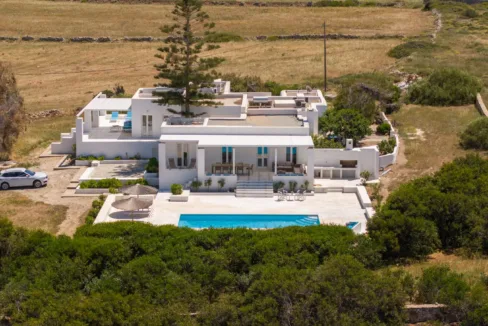
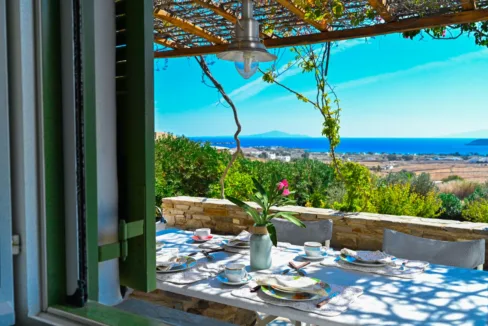
Traditional Sea View House for Sale in Paros
679,000€
Luxury Residence for sale in Paros, Agios Ioannis Tripitis – Villa 5
2,600,000€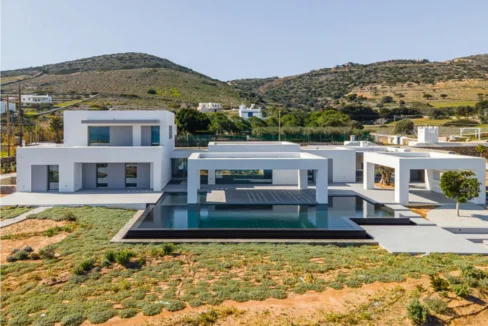
Luxurious Beachfront Property on Antiparos island
6,800,000€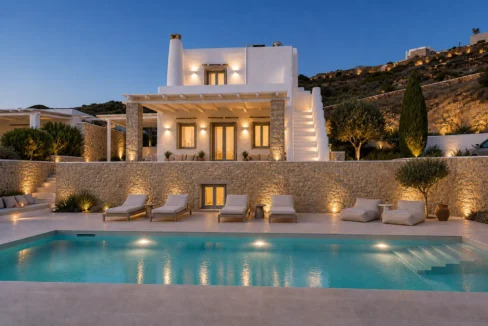
Luxurious Property for sale in Paros
1,200,000€
Luxury Living New Paros Villas Project, Chrisi Akti
4,000,000€
Excellent Property for Sale in Paros Greece
2,850,000€
Small Apartments Hotel in Paros, Parikia
1,350,000€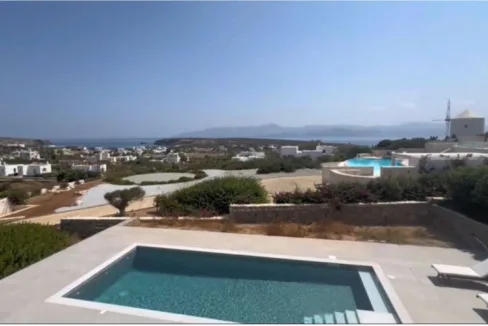
Villa for sale Santa Maria Paros
2,200,000€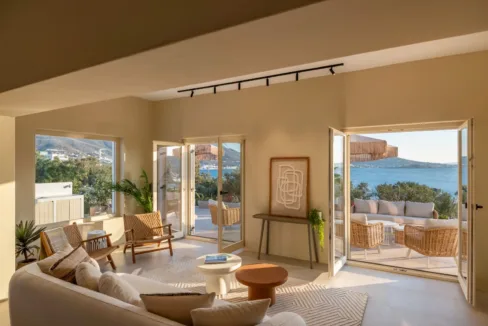
Luxury Property for sale in Paros
1,800,000€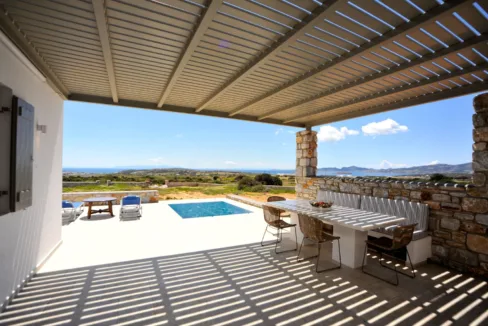
Sea View House for sale Paros, Aliki
960,000€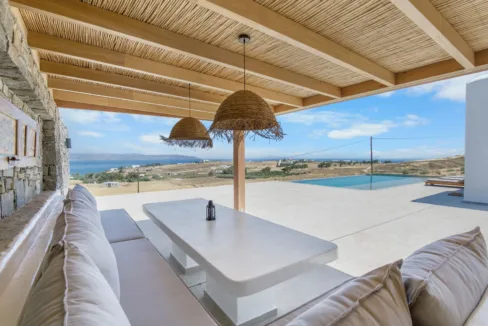
Villa for sale Paros Golden Beach
1,890,000€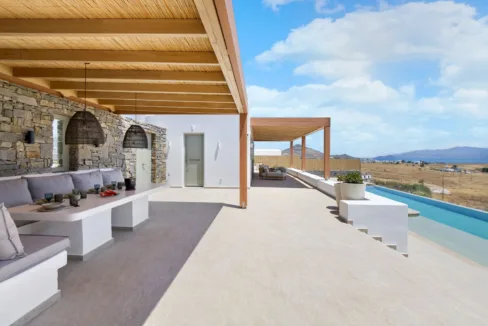
Villa for sale Paros, Chrisi Akti
1,750,000€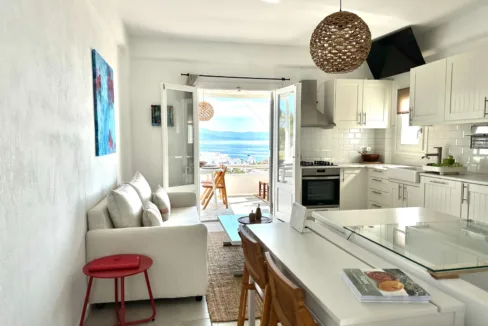
Sea View Maisonette for Sale in Paros, Piso Livadi
410,000€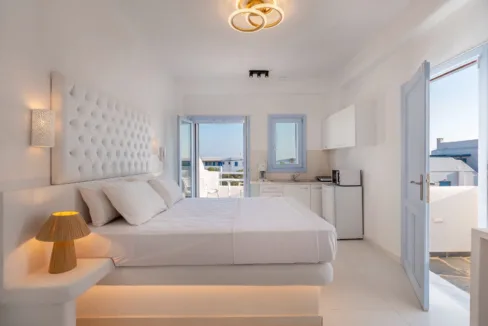
Studio Apartment for Sale in Paros, Alyki
165,000€
Luxury Sea-View Villa for Sale in Paros
1,850,000€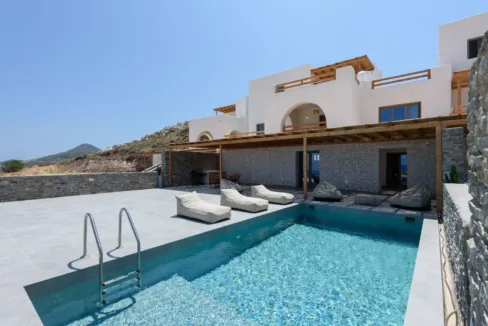
Villa for sale Paros, Molos Agios Nikolaos
Villa for sale Paros, Molos Agios Nikolaos Overview… More Details
980,000€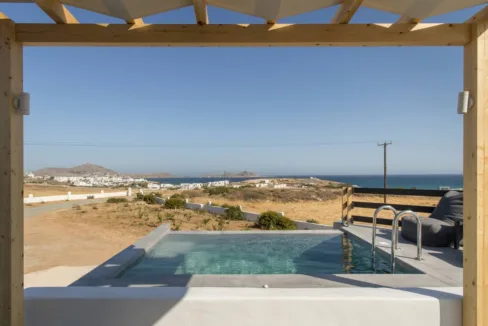
Maisonette for sale Paros, Xifara
595,000€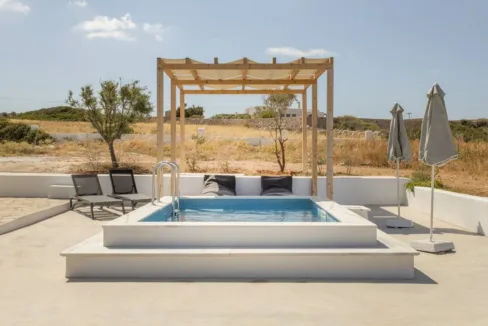
House with pool and sea view for sale at Paros Naousa
1,200,000€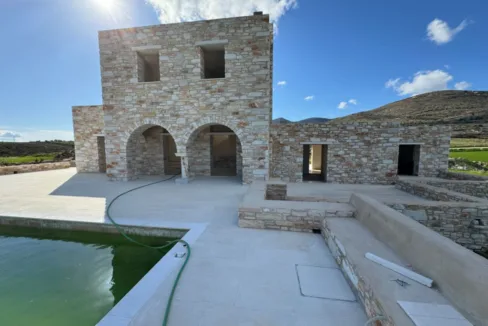
Sea Villa for sale Paros, Prodromos
1,280,000€
Modern Seaview Villa for Sale in Paros
1,850,000€
Beachfront Villa with Private Access for Sale in Paros
8,500,000€
Villa Paros Island for sale, Piso Livadi
1,300,000€
Complex of 4 villas for sale in Paros
4,200,000€
Detached House for Sale in Paros, Panoramic Sea Views
890,000€
Villa for Sale in Paros, Naousa with Private Pool
900,000€
Luxury Villa for Sale in Paros Cyclades
850,000€
New Building Villa for Sale Paros Greece
970,000€
Amazing Seafront Villa for Sale Paros Greece
3,000,000€
Apartment for sale Paros, Apsro Chorio Glyfa
200,000€
Villa for sale Paros, Ampelas
2,200,000€
Cavehouse-Style Villas for Sale in Paros, Drios
990,000€

Two-Level House for Sale in Paros, Greece
690,000€
Villa for Sale Paros
930,000€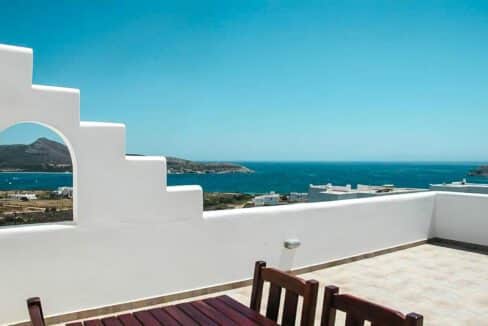
Hotel for Sale in Antiparos – 7 Apartments
1,750,000€
Villa With Tennis Court for Sale in Paros Greece
3,700,000€
Boutique Hotel for Sale Paros | Luxury & Investment Potential
7,000,000€
Seaview Villa in Paros Greece for sale
1,400,000€
Luxury Villa for sale Paros Just Steps From The Beach
2,150,000€
Prime Land for Sale in Paros – 156 Acres of Land in Golden Beach
78,000,000€
Beachfront Beach bar for Sale in Paros – A Unique Investment Opportunity
6,200,000€
Traditional Stone Maisonette for Sale in Parikia, Paros
480,000€
Property in Paros, Santa Maria
550,000€
Beach house for sale in Paros Greece, Kampos
760,000€
Seaview Villa for Sale in Paros, walking distance to the beach
920,000€
Luxurious Villa for Sale in Paros
2,600,000€
Villa for sale near the beach Antiparos Island Greece
1,950,000€
Beautiful New House for Sale in Paros
1,000,000€
Maisonette for Sale in Paros island Greece, Tsoukalia
450,000€
Seafront Villa for sale Paros Greece
1,650,000€
Two-Storey House for sale in Paros Greece, Piso Livadi
1,150,000€
Charming ground floor house for sale in Paros
230,000€
Seaside Hotel For Sale Paros Island
3,500,000€
Traditional Cycladic Villa in Paros
2,200,000€
Luxury Design Villa with Unlimited Views in Paros
2,700,000€
2 Villas for sale Parasporos Paros
2,700,000€
House for sale Paros Cyclades
700,000€
Seaside Elegance in Isterni, Paros Property with big land plot
1,850,000€
New Seafront Under Construction Villa in Paros
4,500,000€
Beachfront Villa With View – Paradise Found in Paros, Greece
3,000,000€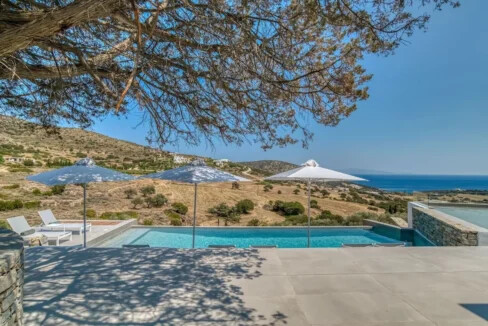
Luxury living in this contemporary villa at Paros
3,300,000€
Luxury Villa for Sale Paros Island
2,500,000€
Villa for Sale in Paros Greece, Kamares
1,500,000€
Outstanding Villa in Paros for sale
3,900,000€
Investment Opportunity in Naousa, Paros Island
1,500,000€
Stone Villa for Sale in Paros island, 11000m2 waterfront plot
4,500,000€
Villa for Sale Paros Greece
1,900,000€
Seaside residence in Molos Paros
1,600,000€
Villa for Sale in Paros
1,680,000€
Luxury Property Paros Ampelas
2,000,000€
Property near the Sea in Paros, Santa Maria
750,000€
Hotel in Antiparos for Sale – A Prime Investment Opportunity
1,500,000€
Luxury Seaview Villa in Paros Greece
3,700,000€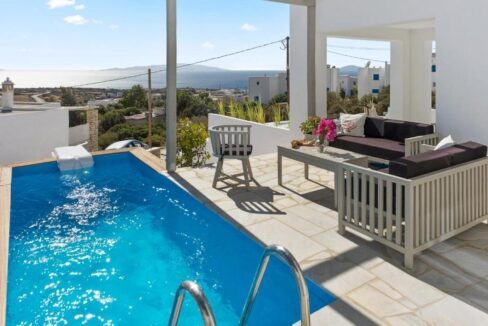
Maisonette for sale Paros Island
430,000€
Property for sale Paros Greece with 13.000 sqm of Land
Reduced to 3,000,000€
36 Rooms hotel for sale Paros Greece
6,900,000€
Unique Property Paros Greece, Pounta Paros
2,350,000€
Luxury Property Antiparos Island Greece
Contact us for Price
Villa for Sale in the Idyllic Paradise of Paros
620,000€
Seafront Land in Paros Island, Cyclades, Makria Miti area
Reduced to 8,000,000€
New Luxury Estate Paros Greece
4,750,000€
Property in Paros Pounda
740,000€
Superb Villa Paros Greece
Reduced to 3,300,000€
Maisonette for sale in Paros, Parikia
480,000€
Amazing Property Antiparos Greece
6,800,000€
Property in the center of Paros Naoussa
2,800,000€
Sea View House for Sale Paros Cyclades
770,000€
Gorgeous Villa in Paros
3,200,000€
Exceptional Modern Villa with Unparalleled Sea Views in Antiparos, Cyclades
7,500,000€
5 bedroom luxury Villa for sale in Naoussa, Paros
1,750,000€
Superb Villa Paros Island
4,800,000€
Minimal Villa in Paros, Insterni area, Luxury Property Paros Greece
3,500,000€
Unique luxury home in Paros
2,800,000€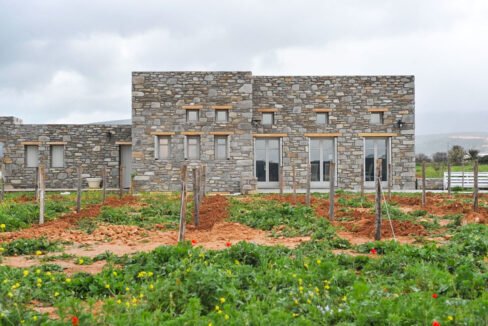
3 Stone houses with great view to the sea in Paros, Paros Property
2,000,000€
Luxury Apartment in the center of Paros Naoussa for sale
1,100,000€
2 Floor House for Sale Paros Island
595,000€
Amazing Villa in Paros with panoramic views
3,000,000€
Seafront house in Antiparos for Sale, Cyclades Property
1,000,000€
Sea View Property in Paros, Tzanes
1,980,000€
Unique villa, Luxurious villa on the island of Paros
1,100,000€
New villa for sale in Paros Cyclades
990,000€
Sea View Villa Paros Greece
Reduced to 2,550,000€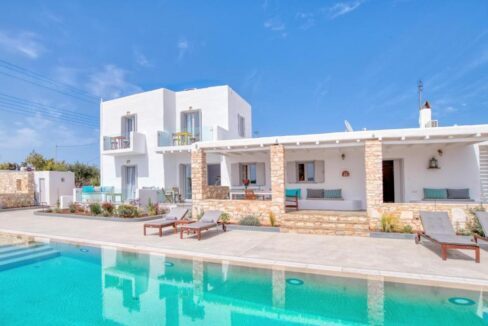
Villa in Paros – Consist of 3 Apartments that can be connected
2,100,000€
Property of 12 rooms in Paros
1,250,000€
Sea View property Paros Island
1,300,000€
Villa in Paros, in Aliki
1,050,000€
House for Sale in Paros, 500 meters from the beach
345,000€
Property of 4 Apartments in Paros Greece
1,600,000€
Luxury Property of 4 Houses for sale in Paros
3,100,000€
Complex of Houses in Antiparos Island – Investment Opportunity
1,250,000€
Apartments hotel for Sale Paros Island, near Naousa
Apartments hotel for Sale Paros Island, near Naousa Apartments… More Details
2,300,000€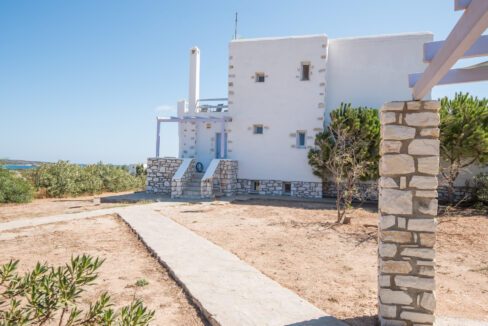
Villa in Paros in complex
1,200,000€
Villa in a complex in Paros for sale
1,000,000€
Seafront Hotel in Paros with 12 Rooms
5,750,000€
House in Parikia Paros for Sale
1,050,000€
2 New villas in Paros in 10.000sqm land plot
1,500,000€
New Built house for Sale Paros Greece
685,000€
Stone house for Sale Paros
1,300,000€
Villa near the beach for Sale in Paros Greece
3,500,000€