


Modern Newly-Built Stone Villa in Volimes, Zakynthos, Greece
Reduced to 800,000€
Exceptional Seaside Villa in Zakynthos
Reduced to 2,500,000€
Luxury Villa Zante Greece for sale
Reduced to 2,600,000€
Exceptional newly built luxury villa for sale Zakynthos, Koiliomenos
3,800,000€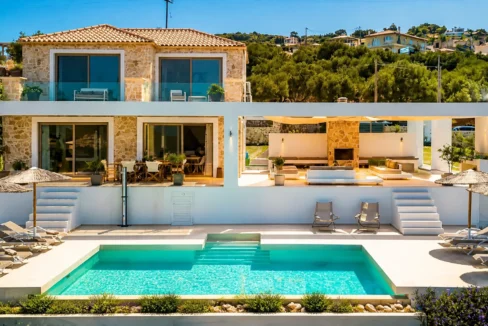 990.000€ Dont miss this price
Sea View Villa for Sale Zakynthos Greece
Reduced to 645,000€
Luxury Villa for Sale in Laganas, Zakynthos
Reduced to 1,100,000€
Seaside House for sale in Zakynthos, Tragaki — Additional Development Potential
650,000€
Stone-built Coastal Villa for Sale in Zakynthos Vasilikos, Greece
685,000€

5-Bedroom Sea View Villa for sale Zakynthos Vasilikos
750,000€
2 Villas with Private Pool near Gerakas Beach, Zakynthos
1,350,000€
Modern Luxury Villa for sale Zakynthos with Helipad
2,400,000€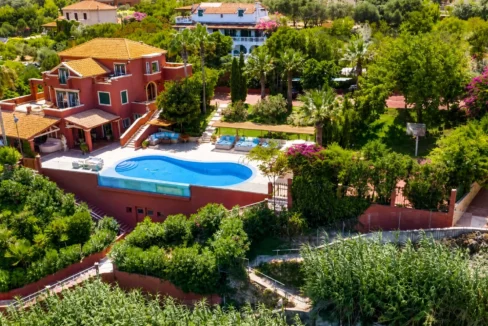
Seafront Villa in Zakynthos for sale
5,500,000€
Villa Zante Greece for sale
2,200,000€
Luxury villa Zakynthos Greece for sale
2,000,000€ 2.700.000€
Seaside Luxury Villa for sale in the Island of Zakynthos
Reduced to 1,650,000€
Amazing Sea View Villa for sale in Zakynthos
1,050,000€
Stone Villa with Pool in Zakynthos for sale
730,000€
Sea View Villa for Sale in Zakynthos – Panoramic Views of the Sea & Marathonisi
800,000€
Luxury Newly Built Villa for Sale in Zakynthos, Mouzaki
880,000€
Seafront Hotel Zakynthos
Seafront Hotel Zakynthos Seafront Hotel Zakynthos Greece sale, Hotel… More Details
1,800,000€
Newly Renovated Cottage in Drosia, Zakynthos
198,000€
House for sale Tsivili Zakynthos
930,000€
17 Apartment complex for sale Zakynthos, Laganas
2,500,000€
Villa for sale Zakynthos Elatio, Koroni
790,000€
Villa on a hill with sea view in Zakynthos, Peligoni
1,300,000€
Seaside Luxury Villa for Sale in Zakynthos – Stunning Views & Private Pool
1,000,000€
Luxury Seafront Villas Zante for sale
2,600,000€
Sea View Villa Zakynthos Greece + Land Plot
1,400,000€
Stone Villa Zakynthos island
Reduced to 320,000€
3-Bedroom Villa for Sale in Akrotiri Zakynthos
850,000€
Luxury Villa for Sale in Zante Main Town
2,000,000€
Luxury Villa for Sale Zakynthos
1,300,000€
Impressive Villa for Sale Zakynthos Greece
2,200,000€
2 Villas for Sale in Zakynthos Akrotiri
1,700,000€
Luxury House for Sale Zakynthos, Laganas, Mouzaki
735,000€
For Sale: Modern Three Bedroom Villa in Northern Zakynthos
Reduced to 850,000€
Villa with Panoramic Sea Views for sale Zakynthos
1,100,000€
Seafront House for Sale Zakynthos Alykes – 80 sqm, 2 Apartments
435,000€
Complex of 6 Stone-Built Villas with Private Pools in Zakynthos
2,850,000€
Villa for Sale Near Center Zakynthos
695,000€
Villa for sale Zakynthos, Arkadi, Sarakinado
800,000€
Complex of Villas and Plots for Sale in Zakynthos Greece
5,000,000€
Beautiful Villa for Sale in Zakynthos Greece
1,000,000€
Modern Villa with Pool for Sale Zakynthos
440,000€
Luxury Villa for Sale in Zakynthos, Ionian Islands
Reduced to 990,000€
Modern Villa for Sale Zakynthos
2,400,000€
2 Magnificent Detached Houses for Sale Zakynthos, Greece
Contact us for Price
Villa for Sale in Zakynthos
850,000€
Seafront Land for sale in Zakynthos to build a villa or a Hotel
900,000€
Newly Built Furnished Villa with Sea View in Zakynthos
660,000€ 980.000€
Luxury Property Zante Greece for sale
Reduced to 950,000€
500sqm Property in Zakynthos Greece, Gaitani
800,000€
Super Villa in Zante, Zakynthos Greece
2,800,000€
Complex of 5 Luxury villas for Sale in Zakynthos
7,500,000€
New Villa Zakynthos island
1,370,000€
The Tower and The Stone House for sale Zakynthos
585,000€
Property consist of 3 Villas for Sale Zante Greece
2,000,000€
Stone Villa with Pool for Sale in Zakynthos
1,100,000€
Luxury Property for Sale in Zakynthos Greece
Reduced to 1,350,000€
2 Villas for Sale Zakynthos
Reduced to 1,350,000€
Stone House for Sale Zakynthos Island Greece
Reduced to 600,000€
4 Stone Properties for Sale in Zakynthos Island Greece, Tourist Complex
1,180,000€
4-Bedroom Villa with Private Pool in Zakynthos for sale, Anafonitria
550,000€
5-Bedroom Villa for Sale in Zakynthos – Stunning Sea Views
1,650,000€
Seaside House for Sale in Zakynthos
660,000€
Town House with pool for Sale in Zakynthos
550,000€
Stone Villa for Sale in Zakynthos
950,000€
Seaview Villa for sale in Vassilikos Zakynthos
1,400,000€
Luxurious Complex of 4 Villas for Sale in Zakynthos, Vasilikos
2,200,000€
Seafront Estate in Zakynthos in 24.000 sqm land !
3,800,000€
Seafront Villa in Zante Greece
695,000€
House for Sale in Zakynthos, Alikes
600,000€
Resort for Sale in Zakynthos, Psarou – 50m from the Beach
1,600,000€
Beachfront Hotel for Sale in Zakynthos – 42 rooms
5,400,000€
Complex of 12 high quality 2-storey houses for sale in Zakynthos
245,000€
Beachfront Luxury Villa Zakynthos for sale, Laganas
1,600,000€
Luxurious Two-Story Villa for Sale in Zakynthos, Anafonitria
500,000€
Furnished Villa in Zakynthos, Vasilikos
1,500,000€
Newly Renovated 4-Floor Villa with Stunning Sea Views in Tsilivi, Zakynthos
1,100,000€
Luxurious Seaside Villa in Zakynthos
3,000,000€
Luxurious 5 Bedroom Villa Zakynthos Greece
1,850,000€
Luxurious Villa in Zante, Vanato, A Tranquil Oasis
800,000€
2 Seafront Villas in Zakynthos, Complex of 2 villas for sale
950,000€Property for Sale Main Town Zakynthos
750,000€
Villa for Sale Zakynthos Greece – Your Luxurious Seaside Retreat
1,650,000€
Sea-front villa Zakynthos
1,990,000€
Stone Villa in Zakynthos, With Two Separate Apartments ( 3 houses)
1,200,000€
Modern design villa of 1 bedroom with amazing view in Zakynthos
Reduced to 950,000€
Complex of 4 stone villas in Zakynthos for sale
1,250,000€
Exquisite Residence in Zakynthos
1,200,000€
Luxury Villa for sale in Zakynthos, Ionian Islands
630,000€
5 Bedroom Luxury Villa Zakynthos
1,500,000€
Building of 7 Seafront Apartments in Zakynthos + Seafront Land to Built Hotel
3,100,000€
Nice Villa in Zakynthos Greece
Reduced to 990,000€
2 Seafront villas in Zakynthos Island for sale
2,350,000€
Luxury villa in Zakynthos
1,200,000€
2 Bedroom Villa with Sea view Zakynthos
850,000€
2 Seafront villas in Zakynthos for sale
1,800,000€
Property Zakynthos Greece of 7 Bedrooms
550,000€
Sea View Stone Property Zante Greece
1,200,000€
Villa Zante Greece, Mouzaki Zakynthos
690,000€
Commercial Hotel for Sale in Zante
3,000,000€
Seafront Small hotel for Sale Zakynthos
2,800,000€
Beautiful House in Zakynthos for Sale
430,000€
Villa in Zakynthos Greece, Zakynthos Luxury Estate
750,000€
Seafront Land for Sale in Zakynthos, Vasilikos
Seafront Land for Sale in Zakynthos, Vasilikos A fantastic… More Details
3,000,000€