


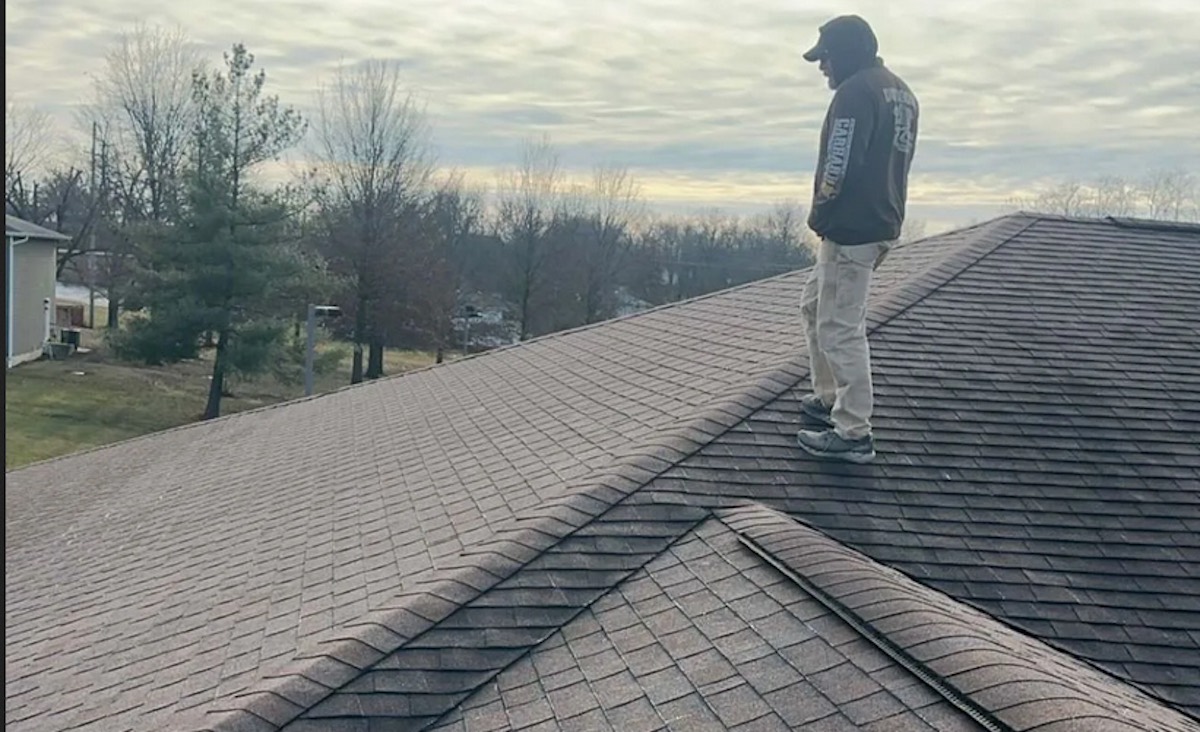
What to Do After Storm Damage to Your Roof in Cedar Rapids
Severe storms can cause major damage to residential roofs, especially in areas like Cedar Rapids where heavy rain, hail, strong winds, and seasonal storms are common. While some storm damage is obvious, other problems can remain hidden until they lead to leaks, mold growth, or structural issues inside the home.
Knowing what to do immediately after a storm can help protect your property, reduce repair costs, and prevent further damage. Acting quickly is one of the most important steps homeowners can take after severe weather impacts their roof.
If you suspect storm-related roof damage, scheduling professional Roof Repair in Cedar Rapids can help identify hidden issues before they become more expensive problems.
Prioritize Safety First
After a storm passes, safety should always come before inspecting property damage. Fallen power lines, loose debris, slippery surfaces, and weakened structures can create dangerous conditions around your home.
Avoid climbing onto the roof yourself, especially if:
- The roof is wet or unstable
- Tree branches have fallen nearby
- Power lines are close to the home
- Large portions of the roof appear damaged
Instead, inspect the property from the ground whenever possible. Professional roofing contractors have the proper safety equipment and training needed to assess storm damage safely.
Look for Visible Signs of Roof Damage
Even if your roof appears mostly intact, storms can still create hidden damage that worsens over time. Performing a basic visual inspection can help you identify early warning signs.
Common signs of storm damage include:
- Missing shingles
- Cracked or curled shingles
- Loose flashing
- Dented gutters
- Granules collecting near downspouts
- Fallen tree limbs on the roof
- Sagging roof sections
Hailstorms can also create bruising or impact marks on shingles that may not be immediately noticeable from the ground.
Inside the home, watch for:
- Water stains on ceilings
- Dripping water
- Damp insulation
- Moldy odors
- Peeling paint near ceilings or walls
These signs may indicate roof leaks caused by storm damage.
Document the Damage
Before making temporary repairs or contacting insurance companies, take clear photos and videos of any visible damage. Documentation can be extremely important when filing an insurance claim.
Capture images of:
- Missing shingles
- Damaged gutters
- Broken flashing
- Fallen branches
- Interior water damage
- Debris around the property
Try to document the storm damage as soon as it is safe to do so. Good records can help simplify the claims process and provide evidence of the extent of the damage.
Prevent Additional Water Damage
If the roof has active leaks, taking temporary measures to reduce water intrusion can help minimize interior damage.
Some temporary steps may include:
- Placing buckets under leaks
- Moving valuables away from affected areas
- Using tarps to cover exposed sections
- Drying wet areas quickly
However, temporary repairs should never replace professional roofing work. Improper repairs can sometimes worsen the problem or create additional safety risks.
Quick action is especially important because water intrusion can rapidly lead to:
- Mold growth
- Ceiling damage
- Electrical issues
- Structural deterioration
- Insulation damage
The longer moisture remains inside the home, the more expensive repairs may become.
Contact a Professional Roofing Contractor
One of the most important steps after storm damage is scheduling a professional roof inspection. Experienced contractors can identify problems homeowners may miss during a visual inspection.
Professional roofing inspections typically evaluate:
- Shingle condition
- Flashing integrity
- Ventilation systems
- Structural damage
- Moisture infiltration
- Hail impact damage
Many roofing problems caused by storms are not immediately visible from the ground. Small cracks, lifted shingles, or damaged underlayment can eventually cause serious leaks if left untreated.
Professional contractors also provide repair recommendations and estimates based on the severity of the damage.
Understand Your Insurance Coverage
Storm damage is often covered by homeowners insurance policies, especially when caused by hail, wind, or fallen debris. However, coverage details vary depending on your policy and provider.
After documenting damage, contact your insurance company to begin the claims process. They may schedule an adjuster to inspect the property and determine coverage eligibility.
Working with an experienced roofing contractor during the insurance process can help ensure damage is properly identified and documented.
Keep copies of:
- Inspection reports
- Photos and videos
- Repair estimates
- Insurance communications
- Receipts for temporary repairs
Good documentation can help prevent claim disputes and speed up the approval process.
Don’t Delay Roof Repairs
One of the biggest mistakes homeowners make after a storm is delaying roof repairs. Even small issues can quickly worsen due to continued exposure to rain, heat, and changing temperatures.
A few damaged shingles may eventually lead to:
- Roof leaks
- Wood rot
- Mold growth
- Interior water damage
- Increased repair costs
Prompt repairs help protect the structure of your home and extend the lifespan of your roofing system.
In Cedar Rapids, where seasonal weather can be unpredictable, addressing storm damage quickly is especially important for preventing long-term problems.
Schedule Future Roof Inspections
Even after repairs are completed, regular roof inspections remain important for maintaining the health of your roofing system.
Annual inspections can help identify:
- Aging shingles
- Loose flashing
- Drainage issues
- Early leak signs
- Storm-related wear
Preventative maintenance often costs far less than emergency repairs or major roof replacements.
Homeowners who schedule regular inspections are more likely to catch small roofing issues before they become expensive structural problems.
Conclusion
Storm damage can create serious roofing problems that threaten the safety and value of your home. Taking immediate action after severe weather helps reduce damage, simplify insurance claims, and protect your property from long-term issues.
By prioritizing safety, documenting damage, contacting professionals, and addressing repairs quickly, Cedar Rapids homeowners can minimize stress and restore their roofs efficiently after a storm.