


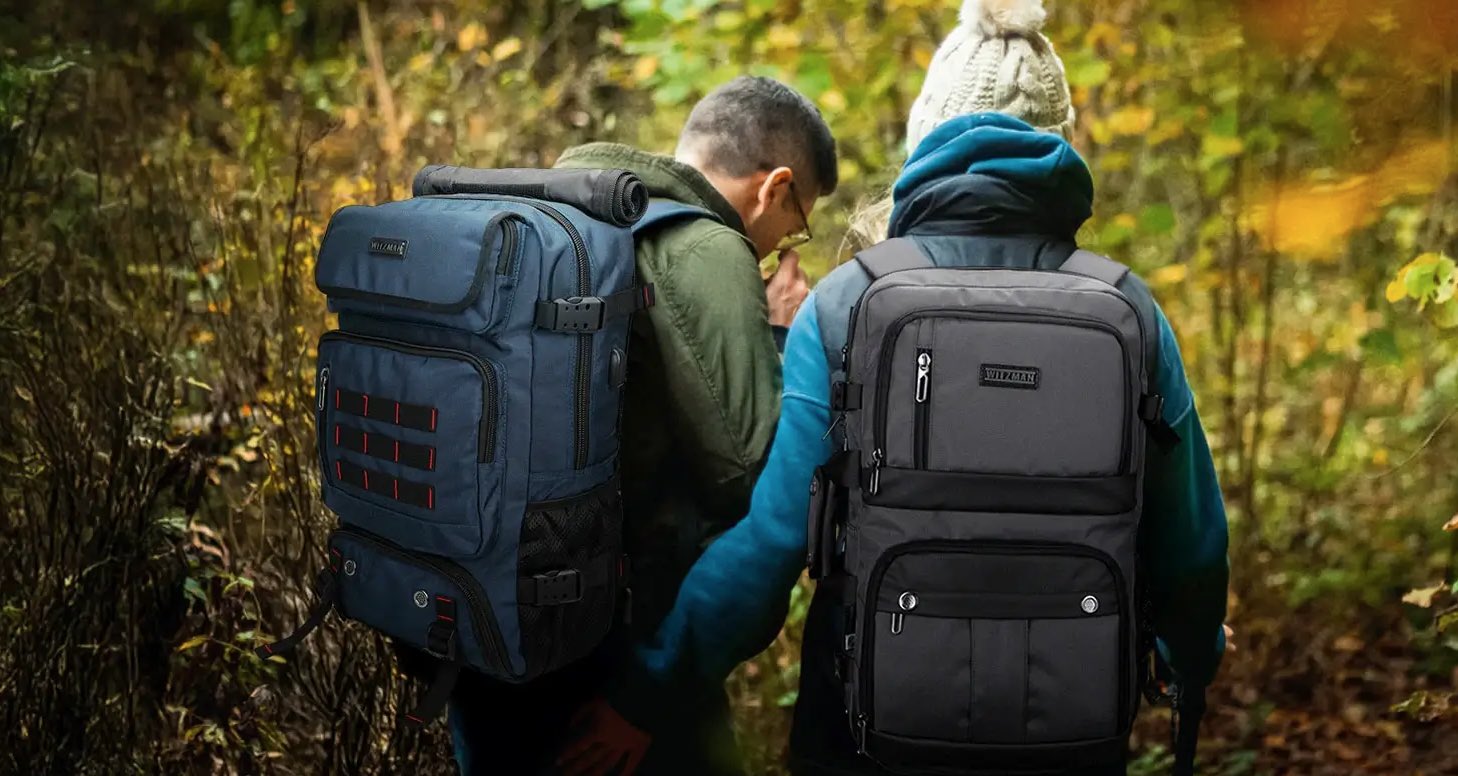
A Practical Guide to Men’s Travel Backpacks: What Actually Matters
Introduction: When the Bag Becomes the Journey
On my first international trip alone, I made a mistake that many travelers quietly repeat: I packed for every possible scenario. A second pair of shoes “just in case,” a bulky jacket I never wore, cables for devices I didn’t use. By the time I reached the airport, my suitcase felt less like a tool and more like a burden.
Somewhere between a delayed flight and dragging that suitcase across uneven streets, I realized something simple: the way you carry your gear shapes the way you experience your trip.
Over the years, that realization led me—and many other travelers—to switch to a carry on travel backpack. Not because it’s trendy, but because it solves real problems. This guide isn’t about hype or brand claims. It’s about what actually matters when choosing a travel backpack that works in the real world.
1. Size Isn’t About Capacity—It’s About Discipline
One of the biggest misconceptions is that bigger is better. In reality, a larger bag often leads to unnecessary packing.
For most trips, the sweet spot is between 30L and 40L. This size forces you to prioritize while still giving you enough room for essentials. It naturally aligns with short to mid-length travel—weekend getaways, business trips, or 3–5 day adventures.
I remember a trip to Lisbon where I committed to a single carry-on backpack. With limited space, I packed only what I knew I’d wear. The result? I moved faster, worried less, and spent more time enjoying the city instead of managing my belongings.
A well-sized carry on travel backpack doesn’t restrict you—it frees you.
2. Organization Is the Difference Between Stress and Flow
Imagine arriving at your destination late at night, needing to grab your charger, passport, and a clean shirt—without unpacking everything.
This is where organization becomes essential.
A thoughtfully designed travel backpack with compartments allows you to separate items logically:
- Clothes in one section
- Electronics in another
- Quick-access essentials within reach
This isn’t just about neatness—it’s about reducing friction during your trip.
On a recent business trip, I watched a fellow traveler unpack half his suitcase at the airport gate just to find a document. Meanwhile, I reached into a dedicated pocket and pulled mine out in seconds. That moment reinforced something simple: good design saves time, and time shapes your experience.
3. Comfort Matters More Than You Think
A backpack might look great online, but if it’s uncomfortable, it will ruin your trip.
Comfort comes down to:
- Padded shoulder straps
- Breathable back panels
- Balanced weight distribution
These details are easy to overlook—until you’re walking 20 minutes to your hotel or navigating crowded streets.
I once carried a poorly designed bag through a long transit in Istanbul. By the end of the day, my shoulders were sore, and I found myself stopping more often than I wanted. Since then, comfort has become non-negotiable.
A good backpack should feel like an extension of your body—not something you’re constantly adjusting.
4. Accessibility Changes How You Travel
Traditional backpacks often rely on top-loading designs, which can make packing and unpacking frustrating.
Modern travel backpacks take a different approach. Features like suitcase-style openings (often 180°) allow you to lay the bag flat and access everything at once.
This small change has a big impact:
- Easier packing
- Faster access
- Less disruption during your trip
When you can see everything clearly, you make better decisions about what to bring—and what to leave behind.
5. Durability Is About Peace of Mind
Travel is unpredictable. Your bag will be placed on rough surfaces, squeezed into overhead compartments, and exposed to different weather conditions.
That’s why materials matter.
Look for:
- Water-resistant fabrics
- Reinforced stitching
- Quality zippers
These aren’t luxury features—they’re essentials.
I’ve had a zipper fail mid-trip before. It turned a simple journey into a constant concern about my belongings. Since then, I’ve learned that durability isn’t just about longevity—it’s about removing worry from your mind so you can focus on the experience.
Brands like WITZMAN official site emphasize this balance between durability and functionality, reflecting what modern travelers actually need.
6. Versatility: One Bag, Multiple Roles
The best travel backpack isn’t just for travel.
It should adapt to different situations:
- Airport carry-on
- Daily city exploration
- Business meetings
- Short outdoor activities
On a recent trip, I used the same backpack to carry clothes during transit, my laptop during meetings, and water and essentials during a day hike. That level of versatility eliminates the need for multiple bags—and simplifies everything.
This is where design truly matters: a bag that works in multiple contexts adds value beyond its primary function.
7. Real Travel Insight: You Don’t Need More—You Need Better
After years of traveling, one lesson stands out:
You don’t need more space. You need better structure.
The right backpack encourages:
- Smarter packing
- Better organization
- Greater mobility
It changes your mindset from “what if I need this?” to “what do I actually use?”
And that shift makes travel lighter—not just physically, but mentally.
Conclusion: Choosing What Actually Matters
A travel backpack isn’t just a product—it’s a companion that shapes how you move, how you pack, and how you experience the world.
When choosing one, focus on what truly matters:
- The right size for your trips
- Smart organization
- Real comfort
- Easy accessibility
- Reliable durability
- Everyday versatility
Everything else is secondary.
Because in the end, the goal isn’t to carry more—it’s to travel better.